

Microplastics have become a major pollution and sustainability issue. These plastic particles, less than 5 millimeters in size, come from the degradation of plastic products, synthetic fibers, and cosmetics. Their ubiquitous presence raises questions about their impact on our health and the ecosystem. This article explores their dangers, their sources, and solutions for reducing their impact on the planet and on ourselves.

1. What are microplastics?
Microplastics are small plastic particles, generally less than 5 mm in size. They are classified into two categories:
- Primary microplastics: intentionally manufactured, often found in cosmetics, cleaners or abrasives.
- Secondary microplastics: fragments resulting from the degradation of larger plastics, such as bottles, bags and packaging, under the effect of light, heat or mechanical wear.

2. Sources of Microplastics
2.1. Cosmetics Industry
Many beauty products contain plastic microbeads used as exfoliants. These particles pass through wastewater and end up in the oceans.
2.2. Synthetic Textiles
Clothing made of polyester or other synthetic fibers releases microfibers during washing, which end up in the water and eventually in the oceans.
2.3. Plastic Waste
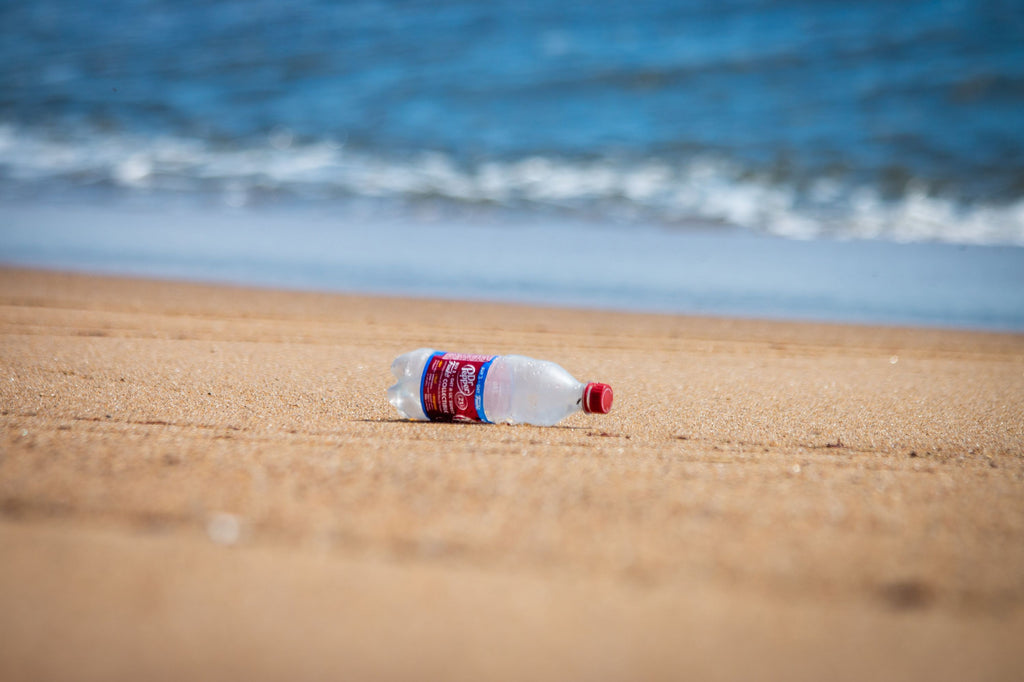
Large plastics, such as bottles and bags, gradually break down into microplastics under the influence of natural elements.
2.4. Cleaning Products
Some cleaners and abrasives contain microplastics which then end up in waterways after use.
3. Effects of Microplastics on the Environment
3.1. Ocean Pollution
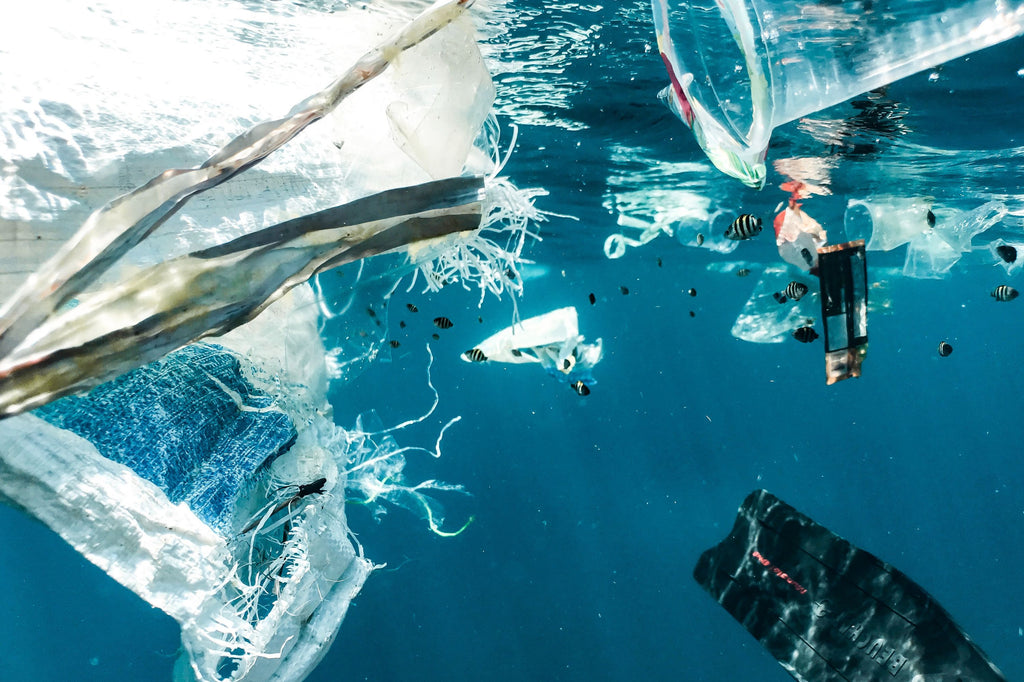
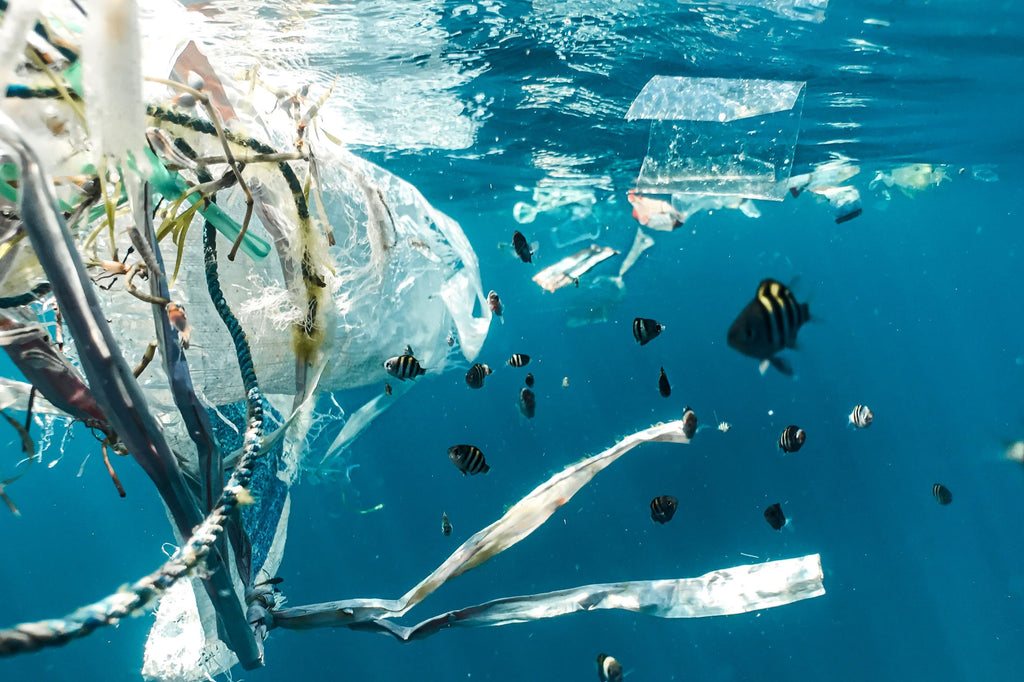
The oceans accumulate microplastics, which are ingested by marine wildlife, causing injuries, illnesses, or deaths.
3.2. Bioaccumulation in the Food Chain
Microplastics ingested by marine organisms travel up the food chain, carrying toxins and affecting biodiversity.
3.3. Disruption of Marine Ecosystems
Their presence disrupts the reproduction, growth, and survival of species, creating ecological imbalances. Read more
4. Effects of Microplastics on Human Health
4.1. Ingestion and Inhalation
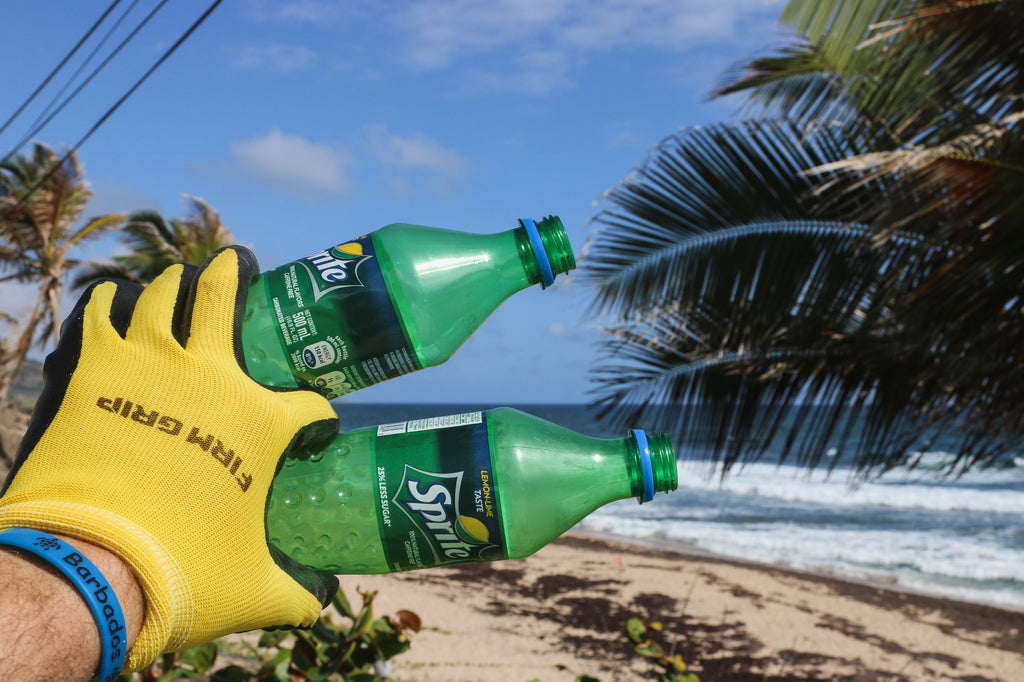
Microplastics enter our bodies through food, water, and air. Studies have detected particles in human blood and lungs.
4.2. Toxins and Chemicals
They can absorb chemical pollutants, disrupting the endocrine and immune systems, and increasing the risk of chronic diseases.
4.3. Effects on the Immune System
Exposure to microplastics could weaken the immune system, making individuals more vulnerable to infections.
5. How to Reduce Exposure to Microplastics
5.1. Choosing Healthy and Eco-Friendly Products
Opt for cosmetics and cleansers without microplastics and read the labels carefully.
5.2. Clothing Made from Natural Fibers
Opt for organic cotton, linen or wool to limit the microfibers released during washing.
5.3. Install a Microfiber Filter
Filters can be installed on washing machines to capture microfibers before they reach the sewers.
5.4. Reduce Single-Use Plastic
Use reusable alternatives to reduce your plastic footprint.
5.5. Raising Awareness and Educating
Informing those around you promotes more responsible behavior and reduces the spread of microplastics.

6. Initiatives to Combat Microplastics
6.1. Prohibition of Microbeads
Many countries have banned microbeads in cosmetics to reduce their presence in the oceans.
6.2. Ocean Cleanup Projects
Local associations and initiatives are working to remove microplastics and plastic waste from the oceans.
6.3. Public Awareness
Educational campaigns encourage responsible practices to limit the use of plastic.
Conclusion
Microplastics pose a major threat to the environment and human health. By understanding their sources and effects, everyone can take action: adopt sustainable products, limit plastic use, and support environmental initiatives. Together, we can reduce exposure and create a healthier future for our planet and future generations.