

Microplastics have become a growing concern in the public debate about pollution and sustainability. These tiny plastic particles, measuring less than 5 millimeters, come from a variety of sources, including the breakdown of plastic products, synthetic clothing fibers, and cosmetics. Their ubiquity in the environment raises important questions about their impact on human health and the ecosystem. This article explores in depth the dangers of microplastics, their sources, and solutions to reduce their impact on our planet and our health.

1. What are Microplastics?
Microplastics are small plastic particles, usually less than 5 mm. They can be classified into two categories:
- Primary microplastics : These are intentionally manufactured particles, often used in cosmetics, cleaners or plastic spheres in abrasives.
- Secondary microplastics : These are fragments that result from the degradation of larger plastic waste, such as bottles, bags or packaging, under the effect of light, heat or mechanical action.

2. Sources of Microplastics
Microplastics come from a variety of sources, some of which are often overlooked. Here are the main sources:
2.1. The Cosmetic Industry
Many beauty products contain plastic microbeads that are used as exfoliants or texturizing agents. These particles are often washed into wastewater systems, where they are not filtered and end up in waterways and oceans.
2.2. Synthetic Textiles
Clothes made from synthetic materials like polyester release plastic fibers when washed. These microfibers end up in sewers and, eventually, in the oceans.
2.3. Plastic Waste
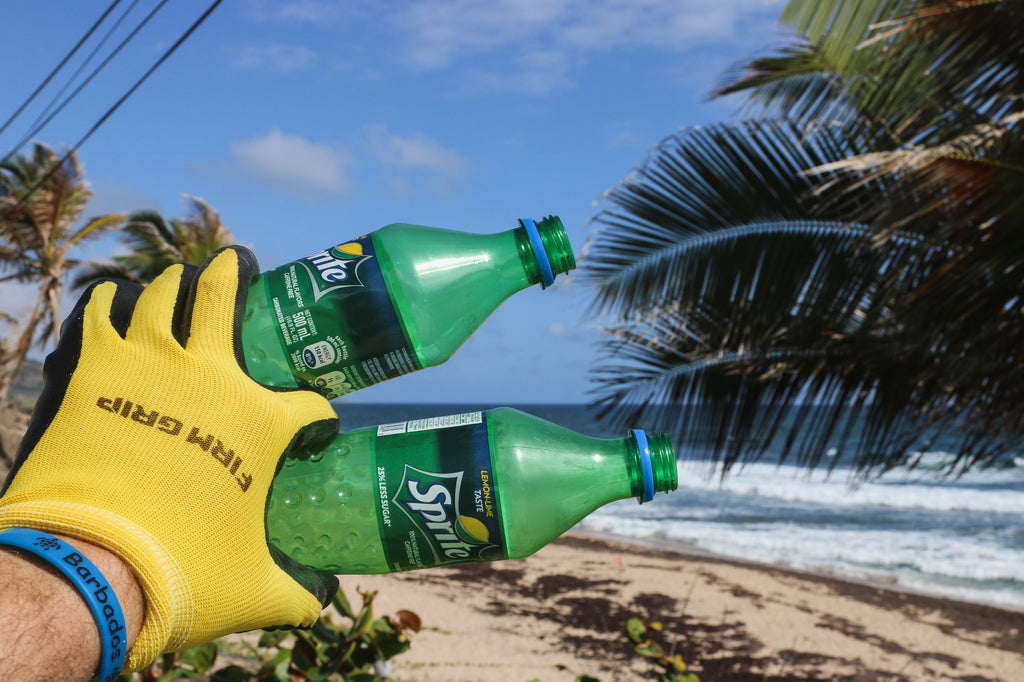
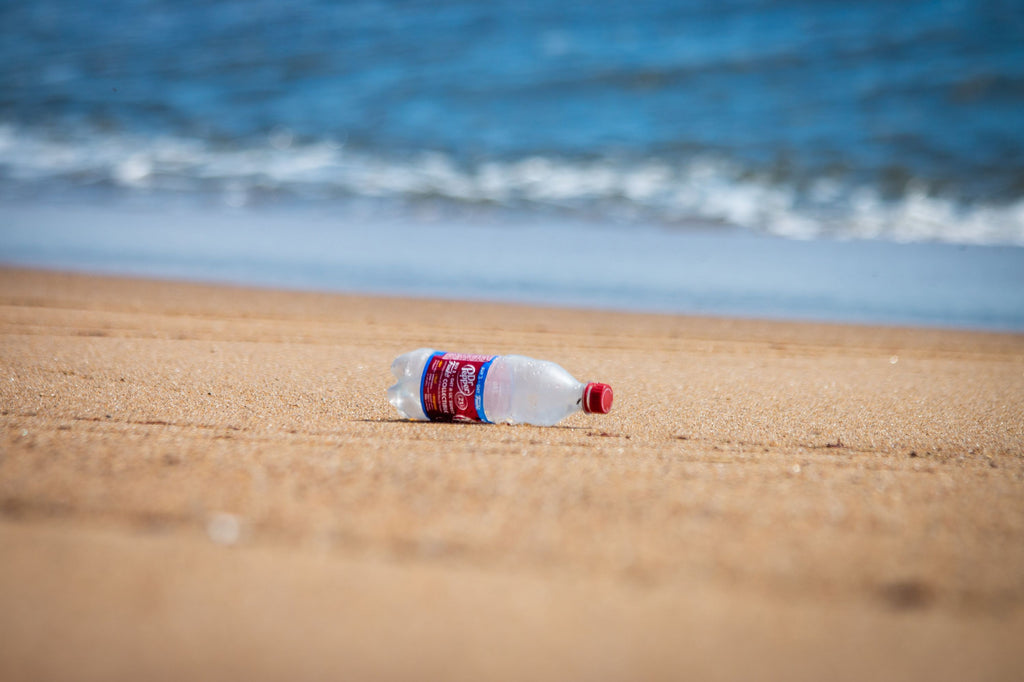
Large plastic waste, such as bottles and bags, gradually degrades into microplastics through the effects of natural elements. This contributes to the accumulation of microplastics in our environment.
2.4. Cleaning Products
Some cleaners and abrasives also contain microplastics which, once used, are often washed down the drain and end up in our waterways.
3. The Effects of Microplastics on the Environment
Microplastics have a devastating impact on the environment. Here are some of their most concerning effects:
3.1. Ocean Pollution
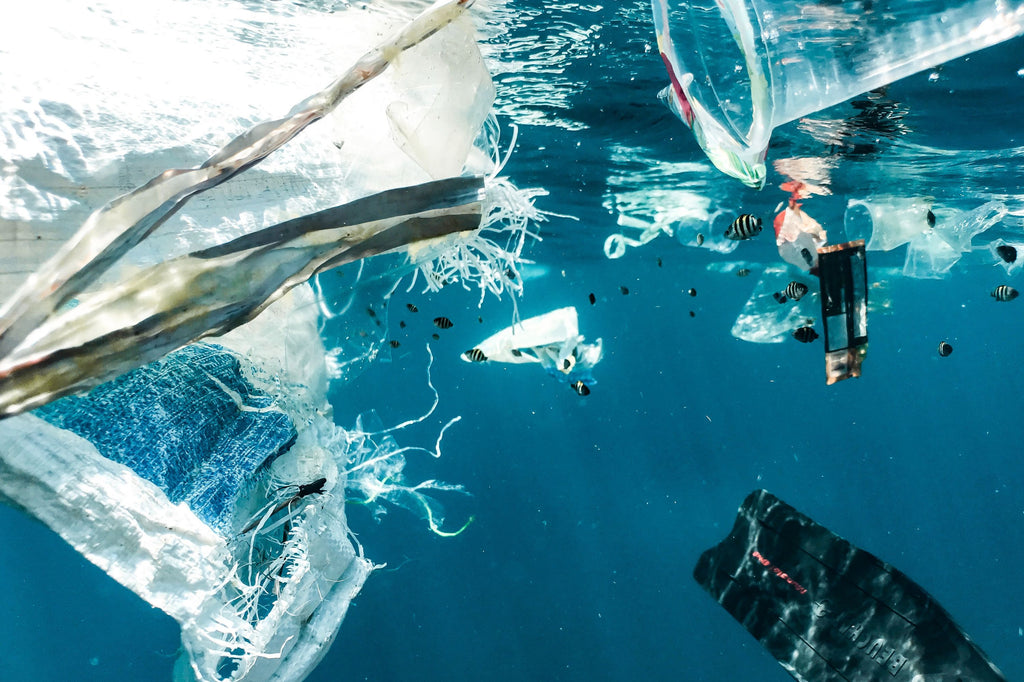
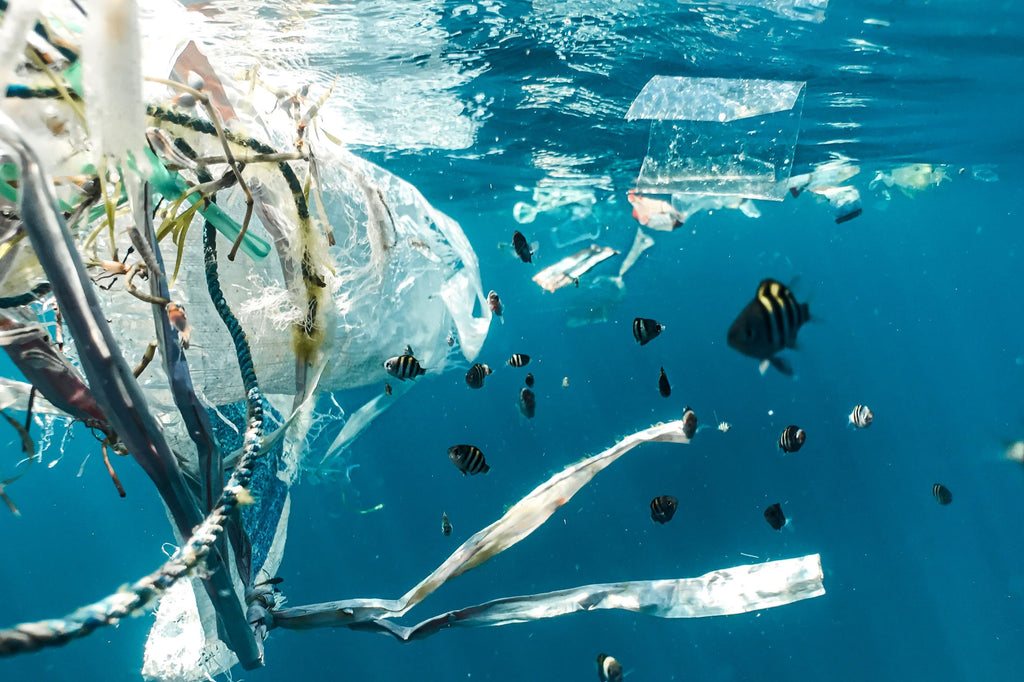
The oceans are the main receptacles for microplastics, which are found in deep waters as well as on beaches. Marine animals ingest these particles, mistaking them for food, which can lead to internal injuries, illnesses or even death.
3.2. Bioaccumulation in the Food Chain
Microplastics can be ingested by marine organisms, such as crustaceans and fish. When consumed by larger animals, microplastics and the toxins they carry can move up the food chain, affecting the entire ecosystem.
3.3. Impact on Marine Ecosystems
The presence of mycoplastics in the marine environment disrupts ecosystems. They can affect the reproduction, growth and survival of marine species, leading to imbalances in biodiversity.
4. The Effects of Microplastics on Human Health
The impact of microplastics on human health is a growing field of study. Although research is still in its early stages, several concerns are emerging:
4.1. Ingestion and Inhalation
Microplastics can be ingested through food products or contaminated water, but they can also enter our bodies through inhalation. Studies have found microplastics in blood samples and even in people's lungs, raising concerns about their long-term health effects.
4.2. Toxins and Chemicals
Microplastics can absorb chemical pollutants from the environment. When ingested, these toxins can cause adverse health effects, including endocrine disruption, immune problems, and increased risks of chronic diseases.
4.3. Effects on the Immune System
Some preliminary studies suggest that exposure to microplastics may negatively impact the immune system, making individuals more vulnerable to infections and diseases.
5. How to Reduce Exposure to Microplastics
There are several steps everyone can take to reduce their exposure to microplastics and help combat their spread.
5.1. Choose Healthy and Ecological Products
Opt for microplastic-free beauty and cleaning products . Read labels and choose natural cosmetics and cleansers that do not use microbeads or plastic particles.
5.2. Favor Clothing Made from Natural Fibers
When shopping for clothes, choose natural materials like organic cotton , linen or wool. Limit clothing made from synthetic materials that release microfibers when washed.
5.3. Installing a Microfiber Filter
Specific filters can be installed on washing machines to capture microfibres before they are discharged into the drain. This can help reduce plastic pollution from washing clothes.
5.4. Reduce Plastic Waste
Reduce the use of single-use plastics, such as plastic bags and bottles. Opt for reusable and sustainable alternatives to minimize your plastic footprint.
5.5. Raise Awareness and Educate
Share your knowledge about microplastics with your friends and family. The more we know, the more we can do to reduce their impact.

6. Initiatives to Combat Microplastics
Several initiatives have been implemented globally to combat microplastic pollution. Here are some examples:
6.1. Prohibition of Microbeads
Many countries have already banned the use of microbeads in cosmetic products. These bans aim to reduce the amount of microplastics ending up in the oceans.
6.2. Ocean Cleanup Projects
Nonprofit organizations and grassroots initiatives are working to clean the oceans of plastic waste, including microplastics. These efforts are essential to preserving marine biodiversity.
6.3. Public Awareness
Awareness campaigns aim to inform the public about the impact of microplastics and to encourage more responsible behavior regarding the use of plastic.
Conclusion
The impact of microplastics on the environment and human health is a major issue of our time. By becoming aware of their origin and effects, we can all help reduce our exposure and protect our planet. Adopting more responsible consumption habits, choosing sustainable products and getting involved in ecological initiatives are essential steps to combat plastic pollution. Together, we can make a significant difference to our health and that of our environment.
The fight against microplastics is a collective effort that requires the participation of each and every one of us. By taking action today, we can create a healthier and more sustainable future for generations to come.