

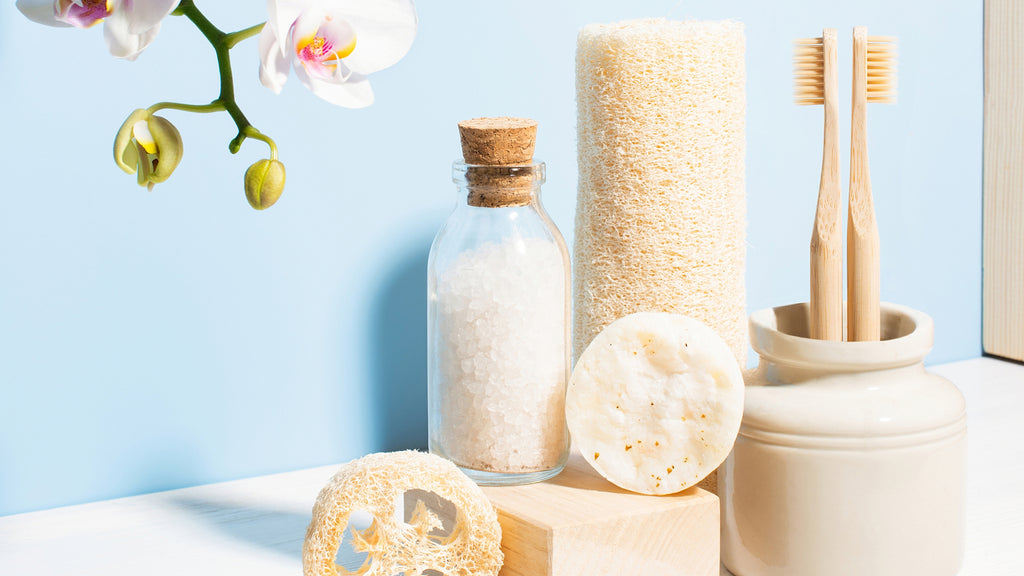
Adopting a loofah sponge in your kitchen isn't just a simple change of kitchen utensil. It's a strategic decision in a zero-waste kitchen approach, reducing plastic use and improving your environmental impact. Compared to synthetic sponges made from petrochemicals, which generate microplastics and are difficult to recycle, the loofah stands out as a natural, biodegradable, and compostable alternative.
In this ultra-comprehensive guide, you will understand: what the luffa really is, why it is a relevant ecological alternative, how to use it effectively, how to care for it to maximize its lifespan, and how to intelligently integrate it into a sustainable and responsible kitchen.
1. Why rethink the kitchen sponge in a zero-waste approach?
The kitchen is one of the main sources of household waste: food packaging, cleaning products, single-use plastics… and synthetic sponges. A typical sponge is usually made of polyurethane foam and abrasive plastic fibers. These materials are petroleum-based, non-biodegradable, and difficult to recycle.
On average, a synthetic sponge is replaced every 2 to 3 weeks. Over a year, this represents a significant amount of plastic waste per household. Multiply that by millions of households: the environmental impact becomes massive.
Switching to a natural loofah sponge drastically reduces this waste stream. It aligns with the principles of a circular economy, microplastic reduction, and responsible consumption.
2. What is a luffa (loofah)? Origin and characteristics
A plant from the cucurbit family
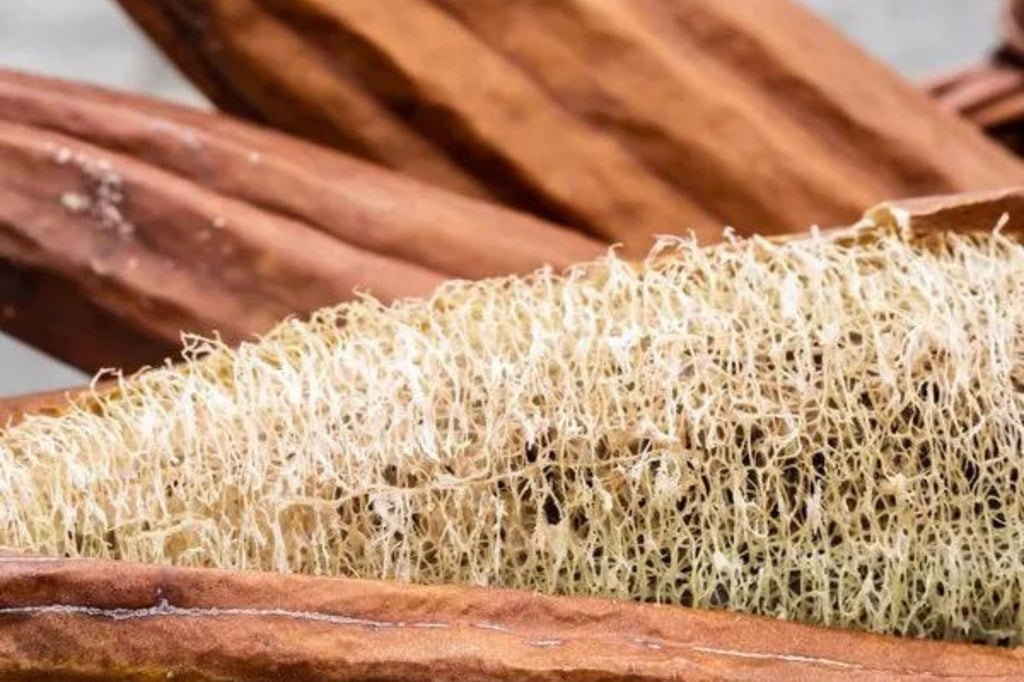
The luffa is a tropical climbing plant belonging to the cucurbit family, like zucchini or cucumber. When ripe, the luffa fruit develops a dense and resistant internal fibrous structure. Once dried and its pulp removed, it becomes a 100% natural vegetable sponge .
Structure and natural properties
Loofah fiber has a naturally abrasive but non-aggressive honeycomb structure. It allows for:
- Effective cleaning of food residue
- Good water absorption capacity
- Rapid drying limits bacterial growth
- Superior mechanical resistance compared to many plant-based alternatives
Unlike synthetic sponges, loofah does not release microplastics when used.
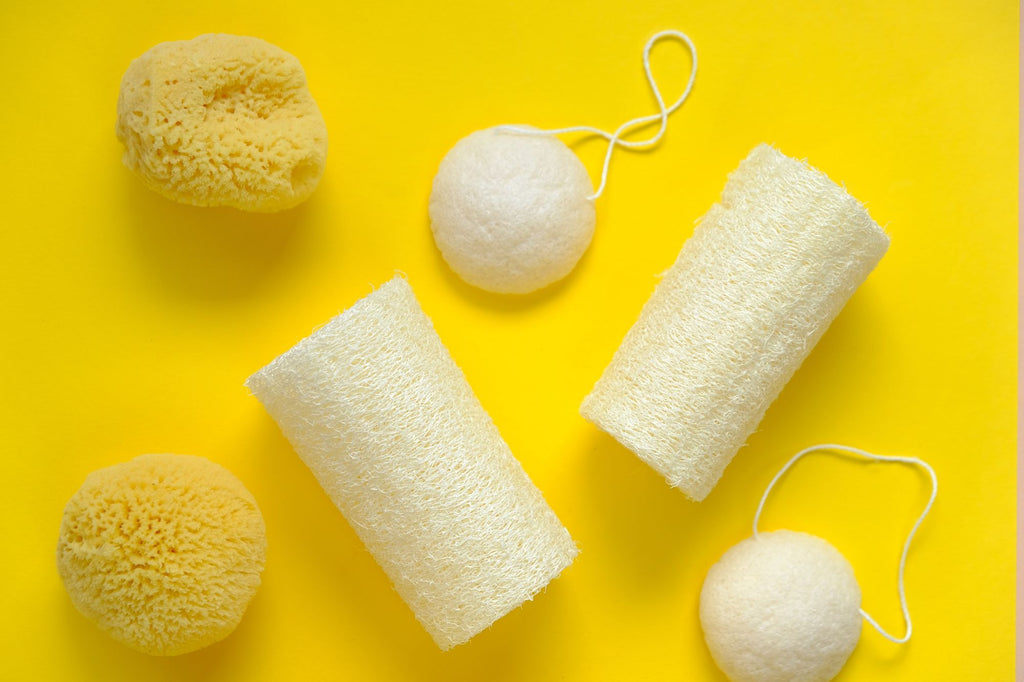
3. Loofah sponge vs. synthetic sponge: an eco-friendly comparison
Environmental impact
Synthetic sponges:
- Derived from fossil resources
- Non-biodegradable
- Producers of microplastics
- Difficult to recycle
Loofah sponges:
- Derived from a renewable plant resource
- Compostable at the end of their life
- No plastic or petrochemical derivatives
- Integrable into a natural organic cycle
Sustainability
With proper care, a loofah sponge can last from several weeks to several months, depending on how often it's used. Its durability means it lasts longer than many low-quality synthetic sponges.
4. Why choose a loofah sponge for a zero-waste kitchen?
Reduction of plastic waste
Every time a synthetic sponge is avoided, it's one less piece of plastic waste. Loofahs completely eliminate this source of pollution.
Biodegradability and composting
At the end of its life, the loofah sponge can be cut up and placed in a home compost bin. It will decompose naturally, enriching the soil.
Versatility
It can be used for:
- The dishes
- Cleaning the worktops
- Lever
- Non-fragile saucepans
- Washing fruits and vegetables

5. Complete Guide to Using a Loofah Sponge
Initial preparation
Before first use:
- Soak the sponge in warm water for 2 to 5 minutes.
- Let it rehydrate and become supple
- Rinse it with clean water
Daily use
Apply an eco-friendly dishwashing soap and rub gently. Its abrasive texture removes residue without scratching hard surfaces.
Hygiene and bacterial prevention
To limit bacteria:
- Rinse thoroughly after use
- Wring thoroughly
- Hang it up to dry completely
6. Optimal maintenance to prolong lifespan
Weekly deep cleaning
Once a week:
- Soaking in hot water + white vinegar
- Or hot water + baking soda
- Thorough rinsing
Strategic drying
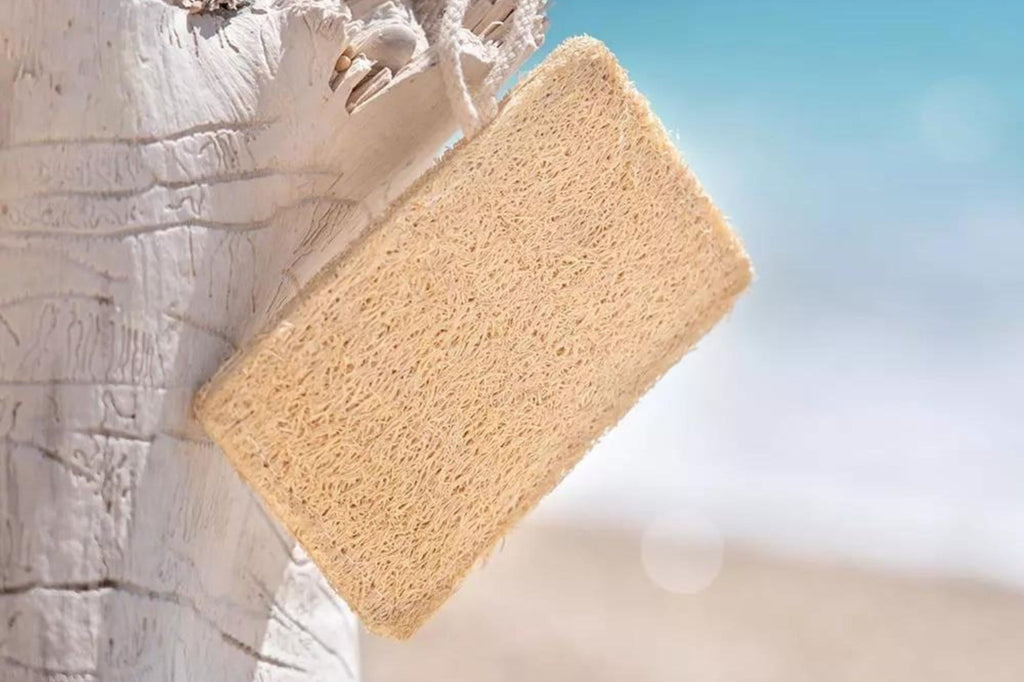
Drying is the key factor in durability. A stagnant, damp sponge will develop mold and odors.
When to replace?
Replace it when:
- The fibers become soft.
- It frays excessively
- A persistent odor appears
7. End of life: composting and the circular economy
Cut the sponge into small pieces before composting to speed up decomposition. It will naturally enrich your compost.
8. Where can I buy a quality loofah sponge?
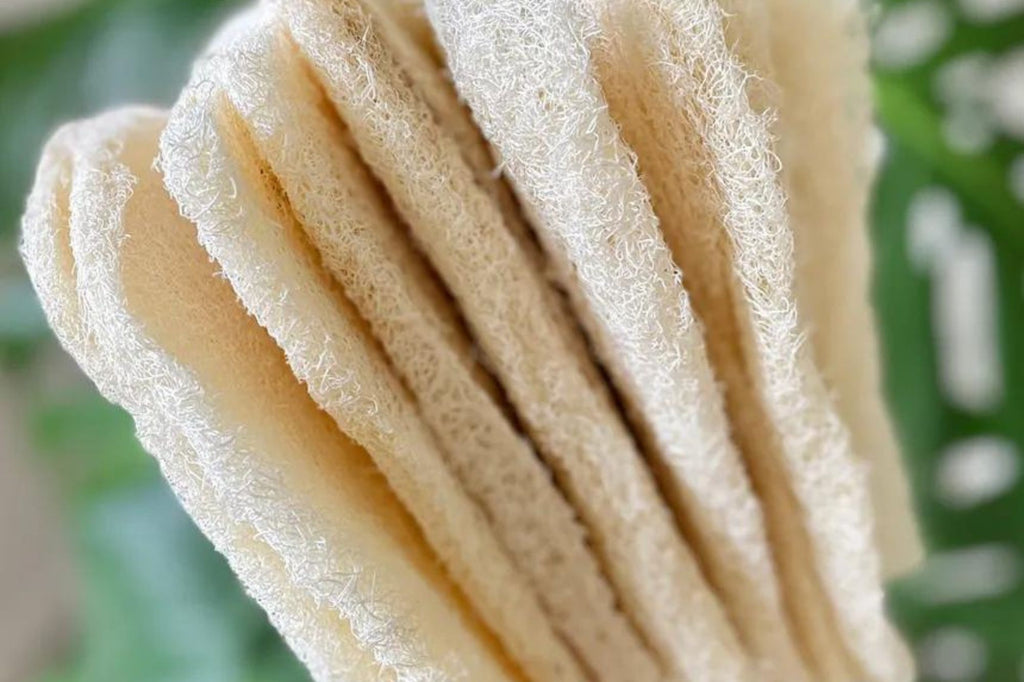
To guarantee optimal quality, opt for a natural, biodegradable loofah sponge without chemical treatment.
Discover ourOceansrespect natural loofah sponge designed for a sustainable zero-waste kitchen.
Also explore our complete selection dedicated to zero waste cooking .
9. Conclusion: a small change, a major impact
Choosing a loofah sponge eliminates a recurring source of plastic waste, reduces your environmental footprint, and actively participates in the transition to sustainable cooking. This simple choice is part of a broader strategy of responsible consumption, a circular economy, and respect for natural resources.
Every little bit helps. And replacing a synthetic sponge with a natural alternative is one of the most accessible and effective.