

Transitioning to a zero-waste lifestyle has become a priority for many environmentally conscious people. Every year, tons of waste end up in our oceans and on our beaches, threatening marine and terrestrial ecosystems. Adopting an eco-responsible approach not only reduces your ecological footprint , but also actively contributes to the preservation of the planet.
But how can you significantly reduce your waste without disrupting your daily life? In this article, we give you concrete tips and simple solutions to adopt a zero waste lifestyle on a daily basis. These easy-to-implement actions will help you contribute to protecting the environment while saving money.

1. Replace plastic bags with reusable bags
One of the first steps to adopting a zero waste lifestyle is to ditch single-use plastic bags. Every year, billions of plastic bags are produced, used for a few minutes, and then thrown away. They take hundreds of years to decompose, and they pose a direct threat to marine wildlife.
To remedy this, simply equip yourself with reusable fabric bags . These bags, often made from organic cotton or recycled materials, are durable and eco-friendly. They can be used when shopping, going out or even for storage at home. In addition, many businesses now encourage the use of reusable bags by offering discounts to those who use them.

2. Buy in bulk
Buying in bulk is one of the best ways to reduce your waste. By buying your food without packaging, you significantly reduce the amount of plastic used. Today, many organic and eco-friendly stores offer sections of bulk products such as cereals, legumes, dried fruits, and even household or cosmetic products.
Bring your own containers (glass jars, cloth bags) and fill them with the products you need. This not only reduces packaging waste, but also allows you to buy only the quantity you need, thus reducing food waste.
3. Use reusable bottles
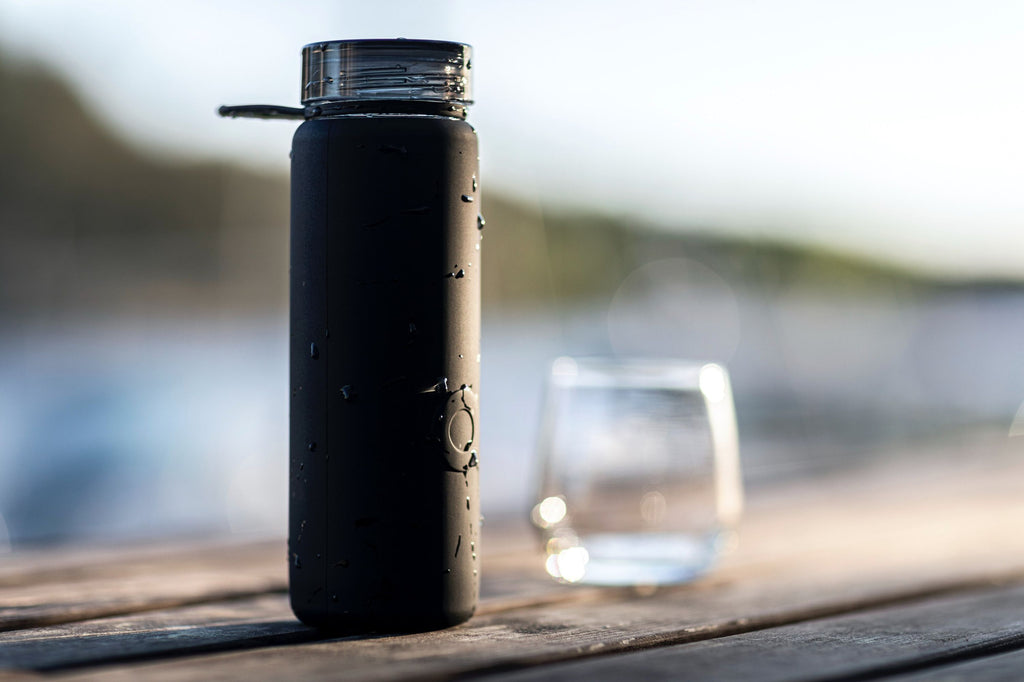
Plastic water bottles are among the main pollutants found in the oceans. In France, nearly 9 billion plastic bottles are consumed each year. A simple solution to combat this phenomenon is to adopt reusable bottles . Made of stainless steel, glass or BPA-free plastic, they are lightweight, easy to transport and drastically reduce the use of disposable bottles.
By using a reusable bottle, you can also save money in the long run, as you no longer need to buy bottled water. Additionally, some brands offer insulated models that keep your water cool throughout the day.

4. Reduce waste in the bathroom
The bathroom is a room where it is easy to generate waste: plastic bottles, makeup remover pads, disposable razors, etc. To limit this, several solutions exist:
- Opt for solid cosmetics : Soaps, solid shampoos, powdered or tablet toothpastes, these alternatives are often packaged without plastic, or even without packaging at all.
- Replace makeup remover pads with washable wipes : These reusable cloth wipes can be washed after each use, eliminating the need for single-use cotton pads.
- Choose reusable razors : Unlike disposable plastic razors, metal razors with replaceable blades are durable and generate less waste.

5. Favor clothing made from natural fibers
The fashion industry is one of the most polluting in the world. The production of synthetic clothing uses a lot of energy and resources, and their microfibers often end up in the oceans when washed. One way to reduce your impact is to choose clothing made from natural fibers such as organic cotton, linen or wool.
These materials are biodegradable and more environmentally friendly. In addition, buying less but better (for example by choosing quality clothes that last longer) is an effective way to reduce fashion waste.

6. Recycle and compost
Recycling is an essential step in reducing waste, but too much recyclable waste still ends up in the trash. Take the time to sort your waste properly and find out about local sorting instructions. In addition, for organic waste (peelings, food scraps), composting is an excellent option. It can reduce the volume of your household waste by up to 30% while producing a natural fertilizer for your plants.

7. Limit food waste
In France, it is estimated that each person throws away an average of 20 kg of food per year. To reduce this waste, a few simple tips can make a difference:
- Plan your meals to avoid buying excess products.
- Store your food in airtight jars to extend its shelf life.
- Transform your leftovers into new dishes.

8. Switch to zero waste kitchen accessories
The kitchen is a place where we often use single-use products like plastic wrap or aluminum foil. To avoid this, several zero-waste alternatives exist:
- Beeswrap : These are reusable beeswax food wraps, perfect for wrapping your food without plastic.
- Reusable bags : Fabric or silicone bags are ideal for storing or transporting your food.
- Washable sponges : Replace your synthetic sponges with washable and compostable alternatives like sisal or cotton.

9. Reduce your energy consumption
Reducing waste isn’t just about packaging and physical objects. Adopting a zero-waste lifestyle also means reducing your energy consumption . To do this:
- Turn off electrical appliances when not in use.
- Opt for LED bulbs which consume less energy.
- Use power strips with switches to avoid standby power consumption.

10. Raise awareness among those around you
Finally, one of the most powerful ways to spread the zero waste movement is to raise awareness among those around you . Talk to your friends, family, and colleagues about the actions you are taking and explain the benefits of this approach for the environment. The more of us who adopt a zero waste lifestyle, the greater the impact will be.

Conclusion
Adopting a zero waste lifestyle is a gradual process. Every little bit counts and contributes to the preservation of our environment. Start with simple actions and gradually integrate new habits into your daily life. Together, we can reduce our ecological footprint and create a more sustainable future for future generations.